Photo of Mamello

Unwaveringly Herself

I’m Mamello M (also known as Mamello Mosiana): a writer, academic, and investigative reporter working across digital communication, campaigns, and creative storytelling. I am the site owner and author of mamello.art—a space that resists neat categorisation, where analysis meets intuition, and where I write with as much honesty as I can bear.

My work sits at the intersection of strategy and imagination. I operate as a digital communications expert, social media manager, event planner, and campaign strategist, with experience shaping narratives that challenge systems of hate, inequality, and war. Whether through research, reporting, or creative production, I am interested in how stories move people—and how they can be used to unsettle power.

I tend to see the world through a vegan anarchist lens, which is perhaps another way of saying I remain stubbornly committed to the possibility of peace, even when it feels implausible.

Outside of work, I am usually in search of something quieter: forests, oceans, long stretches of thought, or the familiar company of my cats. Sometimes I am writing. Sometimes I am resting. Often, I am doing both at once.

Pronouns: they/she/them/her

The art

Chapters

1

About me

2

The portfolio

3

My Services

4

Poetry

5

Essays

6

Prose

7

Contact

MAMELLO.aRT

The mutations of this site

This site has never stayed still for very long. It shifts as I do—sometimes deliberately, often because it has to.

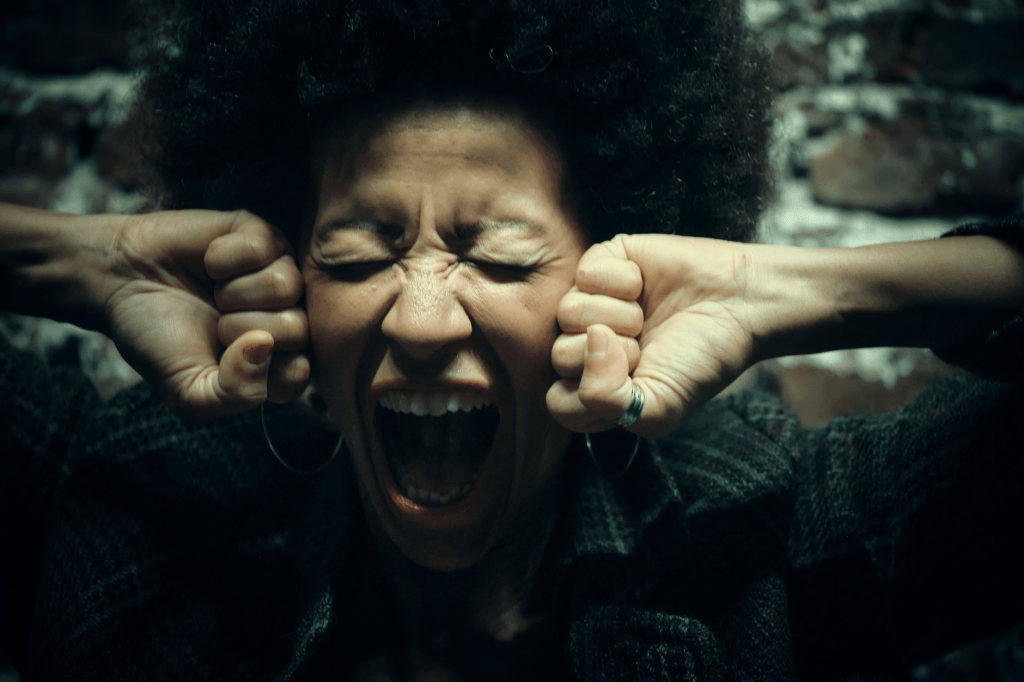
It began, quietly, as a Google blog I called the Afrist. That space held my coming of age in real time: my blackness, my queerness, my insistence on being seen in a world that does not easily make room for people like me. I wrote with a kind of urgency then—sometimes tender, often abrasive, occasionally excessive in my honesty. It was, in many ways, obscenely Black. It resisted silence. It questioned power. It held the many women I was becoming without trying to resolve them into something singular or palatable.

Back then, I wrote as if being visible was enough.

When I moved to England, that version of me did not disappear, but she became harder to hold. The city, the weather, the distance—they pressed in ways I hadn’t anticipated. The confidence was still there, but it began to feel like a surface stretched over something heavier. I started to sense the darker undercurrents beneath the bravado. The writing changed with that awareness. It became less declarative, more searching. Still rooted in the same politics—Afrofuturism, négritude, anarchism—but less certain, more interior.

I think that was the first time I felt something in me begin to recede.

When I returned home, I was not entirely myself. Or perhaps I was, just without the force that had once made everything feel possible. The site reflected that. I wrote less. And when I did, I hesitated. There is a particular vulnerability in having already said too much—in knowing that people may have seen parts of you you’re no longer sure how to carry. I became aware of how visible my unravelling had been. The depression that settled in was not loud, but it was persistent. It made even expression feel like exposure.

The site became quieter because I did.

Ember came into my life during that time. She had survived a fire in Masiphumelele—one of those seasonal devastations that arrive, burn, and leave people to begin again without ceremony. When she was found, there was very little expectation that she would live. And yet she did. Scarred, altered, but still here.

I did not go looking for her specifically. In fact, I had something else in mind entirely. But she kept returning to me, gently, insistently, as if to say: this is the story you are part of now. There was something in her survival, in her quiet refusal to disappear, that I recognised. Not as inspiration exactly, but as a kind of mirror.

I renamed the site Billowing Embers because it gave me language for something I didn’t yet fully understand—that from what remains, however fragile or altered, I can begin again.

That version of the site still exists, somewhere between archive and memory.

This current iteration is different. More intentional, perhaps more contained. It holds both my work and my self in a way that feels sustainable. It is a space where I can be found—not only as someone who feels deeply or resists loudly, but as someone who builds, writes, strategises, creates.

If the earlier versions of this site were about being seen, this one is about choosing how I am seen—and what I am willing to hold onto as I continue.

Latest Post